
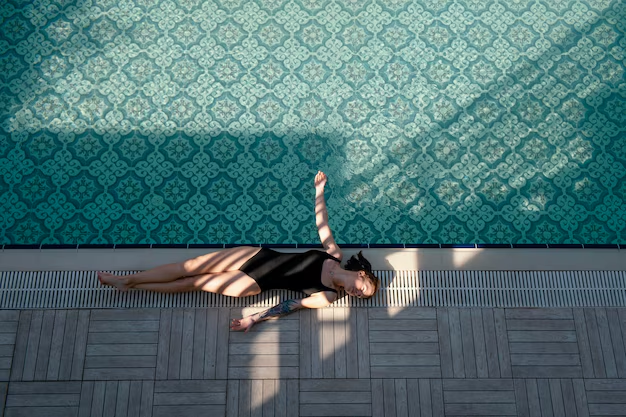


Elegant surfaces are more than just visually appealing; they are a testament to craftsmanship, material quality, and design intent. They speak a silent language of refinement, conveying sophistication and luxury through texture, sheen, and finish. Whether it’s the smooth polish of marble, the subtle warmth of aged wood, or the sleekness of contemporary metal, elegant surfaces elevate spaces and objects, creating a sense of timeless beauty. In this blog, we’ll delve into the world of elegant surfaces, exploring their characteristics, applications, and the techniques used to achieve them.
The Essence of Elegance: Defining Characteristics
Elegance in surfaces is often defined by a combination of factors. First, material quality is paramount. High-grade materials, whether natural or man-made, possess inherent beauty and durability that contribute to the overall elegance of a surface. Second, meticulous craftsmanship is essential. Skilled artisans can transform raw materials into exquisite finishes through techniques like polishing, carving, and layering. Third, a refined aesthetic sensibility is crucial. Elegant surfaces are characterized by subtlety, restraint, and a harmonious balance of texture, color, and sheen. They avoid ostentation and instead focus on creating a sense of understated luxury.
Natural Elegance: Marble, Wood, and Stone
Natural materials like marble, wood, and stone have long been associated with elegance and sophistication. Marble, with its unique veining and smooth polish, creates a sense of timeless grandeur. Wood, with its warm tones and natural grain, adds a touch of organic beauty and warmth. Stone, with its varied textures and colors, conveys a sense of strength and permanence. These materials are often used in high-end interiors and architectural projects to create focal points and enhance the overall aesthetic. The key to achieving elegant surfaces with natural materials lies in selecting high-quality pieces, employing skilled craftsmanship, and maintaining the material’s natural beauty.
Contemporary Sophistication: Metals, Glass, and Composites
In contemporary design, elegant surfaces are often achieved through the use of metals, glass, and composite materials. Metals like stainless steel, brass, and bronze can be polished to a high sheen or given a brushed or patinated finish to create a sense of modern sophistication. Glass, whether transparent or frosted, adds a touch of lightness and airiness, while composite materials offer a wide range of textures and finishes, allowing for greater design flexibility. These materials are often used in minimalist interiors, contemporary furniture, and architectural facades to create sleek and refined surfaces.
The Art of Finishing: Techniques for Achieving Elegance
Achieving elegant surfaces requires a mastery of finishing techniques. Polishing, a process of smoothing and shining a surface, is essential for materials like marble, metal, and wood. Lacquering, a process of applying a protective coating, enhances the sheen and durability of surfaces. Patination, a process of artificially aging a surface, creates a sense of depth and character. Texturing, a process of adding tactile interest to a surface, can be achieved through techniques like carving, embossing, and etching. The choice of finishing technique depends on the material, the desired aesthetic, and the intended application.
Texture and Sheen: The Play of Light and Shadow
Texture and sheen play a crucial role in the visual impact of elegant surfaces. Texture, the surface quality of a material, can be smooth, rough, or somewhere in between. Sheen, the degree to which a surface reflects light, can range from matte to high gloss. The interplay of texture and sheen creates a dynamic visual experience, capturing and reflecting light in unique ways. A smooth, high-gloss surface, like polished marble, creates a sense of opulence and grandeur. A textured, matte surface, like aged wood, conveys a sense of warmth and intimacy. Understanding how texture and sheen interact with light is essential for creating elegant surfaces that are both visually appealing and tactilely engaging.
Color and Pattern: Enhancing the Visual Impact
Color and pattern can further enhance the visual impact of elegant surfaces. Natural materials like marble and wood often possess unique veining and grain patterns that add visual interest and character. In contemporary design, color and pattern can be introduced through the use of pigmented finishes, printed overlays, and inlaid materials. The choice of color and pattern should complement the material and the overall design aesthetic, creating a harmonious and cohesive composition.
Applications in Design and Architecture: From Interiors to Exteriors
Elegant surfaces are used in a wide range of design and architectural applications. In interiors, they can be found in flooring, walls, countertops, and furniture. In exteriors, they can be used for facades, cladding, and landscaping elements. The application of elegant surfaces can transform a space, creating a sense of luxury, sophistication, and timeless beauty. Whether it’s a grand hotel lobby, a minimalist apartment, or a contemporary art gallery, elegant surfaces play a crucial role in shaping the overall aesthetic and user experience.
Maintenance and Longevity: Preserving the Beauty
Maintaining the beauty of elegant surfaces requires careful attention and appropriate care. Natural materials like marble and wood may require periodic sealing and polishing to prevent damage and maintain their sheen. Contemporary materials like metals and glass may require regular cleaning to remove fingerprints and smudges. Understanding the specific maintenance requirements of each material is essential for preserving its beauty and longevity.
The Timeless Appeal: Investing in Elegance
Elegant surfaces are an investment in timeless beauty and lasting value. They elevate spaces and objects, creating a sense of sophistication and refinement that transcends fleeting trends. By understanding the characteristics, applications, and maintenance requirements of elegant surfaces, designers and homeowners can create spaces that are not only visually appealing but also enduring and meaningful. The use of elegant surfaces speaks to a commitment to quality, craftsmanship, and a refined aesthetic sensibility.

