
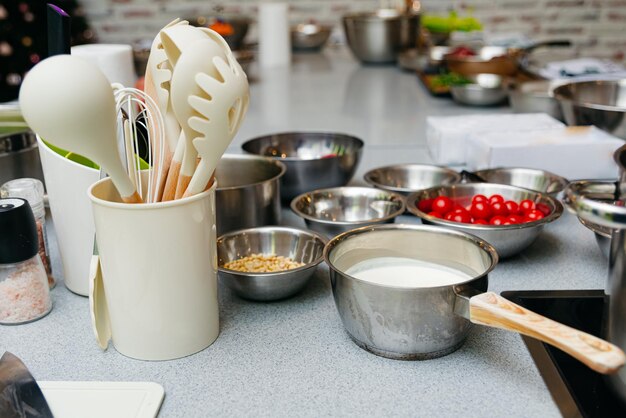


Cookware isn’t just a collection of pots and pans; it’s the essential toolkit that empowers us to transform raw ingredients into culinary masterpieces. From the humble saucepan to the versatile Dutch oven, each piece of cookware plays a unique role in the kitchen, influencing the flavor, texture, and presentation of our dishes. Choosing the right cookware can elevate your cooking experience, making it more efficient, enjoyable, and rewarding. In this blog, we’ll explore the diverse world of cookware, examining the various materials, types, and features that make each piece a valuable asset in the kitchen.
Material Matters: Understanding Cookware Composition
The material of your cookware significantly impacts its performance, durability, and versatility. Common cookware materials include stainless steel, cast iron, aluminum, copper, and non-stick coatings. Stainless steel is renowned for its durability, corrosion resistance, and even heating. Cast iron, prized for its exceptional heat retention and versatility, is ideal for searing, braising, and baking. Aluminum, a lightweight and affordable option, offers excellent heat conductivity. Copper, a premium material, provides superior heat control and responsiveness. Non-stick coatings, typically made from Teflon or ceramic, prevent food from sticking and simplify cleanup. Understanding the properties of each material helps you select cookware that aligns with your cooking style and preferences.
The Essential Arsenal: Key Cookware Types
Every kitchen needs a core set of cookware to handle a wide range of culinary tasks. Sauce pans, with their tall, straight sides, are perfect for simmering sauces, boiling pasta, and heating liquids. Fry pans, also known as skillets, are essential for sautéing, searing, and frying. Dutch ovens, heavy-duty pots with tight-fitting lids, are ideal for braising, stewing, and baking. Stockpots, large, deep pots, are perfect for making soups, stocks, and broths. Sauté pans, with their wide, shallow design, are ideal for cooking large quantities of food and reducing sauces. Griddles, flat cooking surfaces, are perfect for making pancakes, grilled cheese, and other flat foods. Woks, with their rounded bottoms and high sides, are ideal for stir-frying and other Asian-inspired dishes. Having a well-rounded collection of cookware ensures that you’re prepared for any culinary challenge.
Non-Stick vs. Traditional: Choosing the Right Surface
Non-stick cookware has revolutionized cooking by simplifying cleanup and reducing the need for excessive oil. However, traditional cookware, made from materials like stainless steel and cast iron, offers distinct advantages. Non-stick coatings are convenient for cooking delicate foods like eggs and fish, but they can be damaged by high heat and abrasive utensils. Traditional cookware, on the other hand, can withstand high temperatures and is more durable. It also allows for better searing and browning, enhancing the flavor of your dishes. The choice between non-stick and traditional cookware depends on your cooking style, preferences, and the types of foods you prepare.
Heat Distribution and Retention: Key Performance Factors
Heat distribution and retention are critical factors in cookware performance. Cookware with even heat distribution prevents hot spots and ensures that food cooks evenly. Cookware with good heat retention maintains a consistent temperature, even when cold ingredients are added. Cast iron is renowned for its exceptional heat retention, making it ideal for searing and braising. Copper and aluminum offer excellent heat conductivity, allowing for precise temperature control. Stainless steel, while not as conductive as copper or aluminum, provides even heat distribution and is compatible with induction cooktops. Understanding the heat properties of different cookware materials helps you select the best options for your cooking needs.
Features and Design: Enhancing Functionality and Convenience
Cookware features and design elements can significantly enhance functionality and convenience. Look for features like ergonomic handles, secure lids, and pour spouts. Handles should be comfortable to grip and stay cool during cooking. Lids should fit tightly to prevent steam from escaping. Pour spouts simplify pouring liquids and sauces. Cookware with measurement markings on the interior walls simplifies measuring ingredients. Consider the size and shape of the cookware to ensure that it fits your stovetop and oven. Stackable cookware saves storage space. Oven-safe cookware expands your cooking options. Induction-compatible cookware is essential if you have an induction cooktop.
Maintaining Your Cookware: Extending its Lifespan
Proper care and maintenance can extend the lifespan of your cookware. Follow the manufacturer’s instructions for cleaning and seasoning. Avoid using abrasive cleaners or scouring pads on non-stick surfaces. Handwashing is generally recommended for non-stick cookware. Season cast iron cookware regularly to maintain its non-stick properties and prevent rust. Store cookware properly to avoid scratches and dents. Inspect cookware regularly for signs of damage and replace any pieces that are worn or damaged.
Investing in Quality: Building a Lasting Collection
Investing in high-quality cookware is a worthwhile investment that will enhance your cooking experience for years to come. While budget-friendly options are available, consider investing in durable, well-made cookware that will withstand the rigors of everyday cooking. Look for reputable brands that offer warranties and customer support. Start with a few essential pieces and gradually build your collection as your cooking skills and needs evolve. A well-curated collection of quality cookware will inspire you to explore new recipes, experiment with different techniques, and create memorable meals.
Specialty Cookware: Expanding Your Culinary Horizons
Beyond the essential cookware items, several specialty pieces can expand your culinary horizons. Pressure cookers, slow cookers, and air fryers offer convenient and efficient cooking methods. Tagines, paella pans, and crepe pans allow you to explore different cuisines and cooking styles. Specialty cookware can add excitement and variety to your cooking repertoire, allowing you to create unique and flavorful dishes.
The Joy of Cooking: Transforming Ingredients into Art
Cookware is more than just a tool; it’s a partner in the culinary journey. By understanding the different materials, types, and features of cookware, you can select the best options for your cooking needs and preferences. With the right cookware, you can transform simple ingredients into culinary masterpieces, creating meals that nourish the body and delight the senses. The joy of cooking lies in the creative process, the exploration of flavors, and the satisfaction of sharing delicious food with loved ones.

