
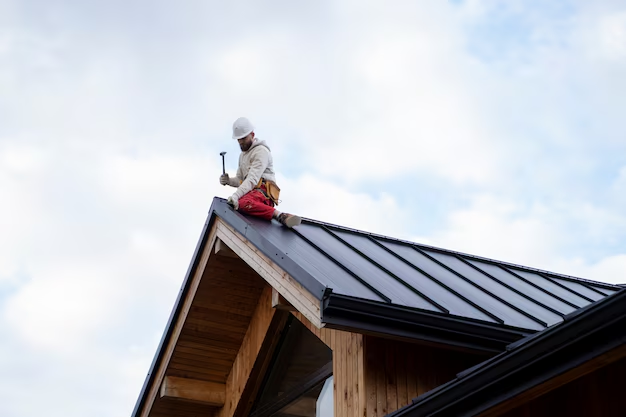


A roof is your home’s first line of defense against the elements, and maintaining its integrity is crucial for protecting your property and investment. Roof coatings offer a valuable solution for extending the lifespan of your roof, improving its energy efficiency, and enhancing its overall performance. These protective layers act as a barrier against harsh weather conditions, UV radiation, and other environmental factors, preventing premature deterioration and costly repairs. In this blog, we’ll delve into the world of roof coatings, exploring their various types, benefits, application processes, and essential maintenance practices.
Understanding the Benefits: Why Invest in a Roof Coating?
Roof coatings offer a multitude of benefits, making them a worthwhile investment for homeowners and building owners alike. One of the primary advantages is increased roof longevity. By shielding the roof from damaging UV rays, extreme temperatures, and moisture, coatings can significantly extend its lifespan. Energy efficiency is another key benefit. Reflective roof coatings can reduce heat absorption, lowering cooling costs during hot weather. This translates to significant savings on energy bills. Roof coatings also enhance the roof’s waterproofing capabilities, preventing leaks and water damage. They can improve the aesthetics of an aging roof, giving it a fresh, new look. Moreover, they can reduce the need for costly roof replacements, offering a more affordable alternative.
Types of Roof Coatings: Choosing the Right Protection
Several types of roof coatings are available, each with its unique properties and applications. Acrylic coatings are a popular choice for their affordability, ease of application, and reflective properties. They are suitable for various roof types, including metal, modified bitumen, and single-ply membranes. Silicone coatings are known for their exceptional durability, UV resistance, and waterproofing capabilities. They are ideal for roofs exposed to harsh weather conditions and ponding water. Urethane coatings offer superior strength, flexibility, and chemical resistance. They are suitable for roofs with high traffic or those exposed to industrial pollutants. Elastomeric coatings provide excellent flexibility and elongation, allowing them to accommodate roof movement and temperature fluctuations. They are often used on roofs with complex shapes or those prone to cracking. Selecting the appropriate roof coating depends on the roof type, climate, and specific needs.
Preparation is Key: Ensuring Proper Adhesion
Proper surface preparation is crucial for ensuring the adhesion and performance of a roof coating. Before applying the coating, the roof must be thoroughly cleaned to remove dirt, debris, mold, and any existing loose materials. Repairs to any damaged areas, such as cracks, blisters, or punctures, should be made. For metal roofs, rust removal and priming are essential. For single-ply membranes, proper cleaning and seam repairs are necessary. The surface must be dry and free of any contaminants that could interfere with adhesion. A primer may be required to enhance adhesion, especially on porous or challenging surfaces. Proper preparation ensures that the roof coating bonds effectively and provides long-lasting protection.
Application Techniques: Achieving a Uniform and Durable Finish
Roof coatings can be applied using various techniques, including spraying, rolling, and brushing. Spraying is the most efficient method for large roof areas, providing a uniform and consistent coating. Rolling is suitable for smaller roofs or areas with intricate details. Brushing is ideal for touch-ups and hard-to-reach areas. The coating should be applied in multiple thin layers, allowing each layer to dry completely before applying the next. This ensures proper curing and adhesion. The thickness of the coating should be consistent throughout the roof to provide uniform protection. Proper ventilation is essential during application and curing to prevent fumes and ensure proper drying.
Weather Considerations: Timing is Crucial
Weather conditions play a significant role in the application and curing of roof coatings. Ideal weather conditions for application include dry, sunny days with moderate temperatures. Avoid applying coatings during rain, high humidity, or extreme temperatures. The roof surface should be dry and free of moisture before application. Check the weather forecast before starting the project to ensure that there will be no rain or significant temperature changes during the curing period. Proper curing is essential for the coating to achieve its full strength and durability.
Maintenance and Inspections: Prolonging the Life of Your Coating
Regular maintenance and inspections are crucial for prolonging the life of your roof coating. Inspect the roof periodically for signs of damage, such as cracks, blisters, or delamination. Address any issues promptly to prevent them from escalating. Clean the roof regularly to remove dirt, debris, and mold. Re-coat the roof as needed to maintain its protective properties. Schedule professional inspections every few years to assess the overall condition of the coating and identify any potential problems. Proper maintenance ensures that the roof coating continues to provide optimal protection and performance.
Choosing a Professional: Ensuring Quality and Expertise
Applying a roof coating requires specialized knowledge and expertise. Hiring a professional roofing contractor is essential for ensuring a high-quality application and long-lasting results. A reputable contractor will assess the roof, recommend the appropriate coating, and perform the application using proper techniques. They will also provide warranties and guarantees on their work. Check the contractor’s credentials, experience, and customer reviews before making a decision. Investing in professional expertise ensures that the roof coating is applied correctly and provides optimal protection.
Cost Considerations: Balancing Investment and Benefits
The cost of a roof coating varies depending on the type of coating, the size of the roof, and the complexity of the project. While the initial investment may seem significant, the long-term benefits outweigh the costs. Roof coatings can extend the lifespan of your roof, reduce energy costs, and prevent costly repairs. Consider the cost-effectiveness of a roof coating compared to a full roof replacement. Obtain multiple quotes from reputable contractors to compare prices and services. Factor in the long-term savings and benefits when making your decision.
Environmental Impact: Sustainable Roofing Solutions
Roof coatings offer sustainable roofing solutions that reduce the environmental impact of buildings. Reflective roof coatings can reduce the urban heat island effect, lowering temperatures in urban areas. They can also reduce energy consumption, lowering greenhouse gas emissions. Some roof coatings are made from recycled materials or contain low VOCs (volatile organic compounds), minimizing their environmental footprint. By choosing a sustainable roof coating, you can contribute to a greener and more environmentally friendly building.
The Future of Roof Coatings: Innovation and Advancements
The roof coating industry is constantly evolving, with ongoing research and development leading to innovative products and technologies. Advancements in nanotechnology are creating coatings with enhanced durability, self-cleaning properties, and improved thermal performance. Smart roof coatings, equipped with sensors and connectivity, can monitor roof conditions and provide real-time data. The future of roof coatings holds promise for even more efficient, durable, and sustainable roofing solutions.

