


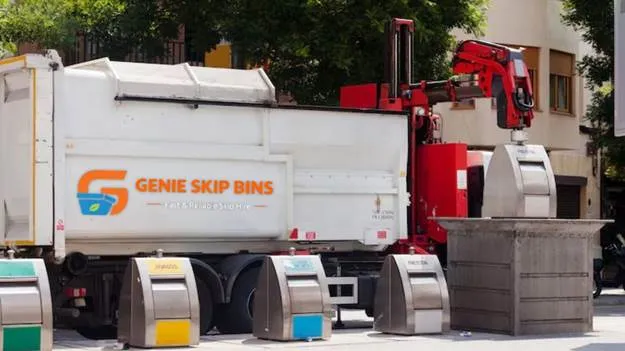
If you live in Adelaide and are planning a home clean-up, a garden makeover, or a small renovation, you have probably considered hiring a skip bin. But what actually happens after the truck takes your bin away? And why does Adelaide have such specific rules about what you can and cannot throw out?
Understanding the process is simpler than you think. In fact, once you know the basics, you can save money, avoid fines, and even help the environment.
This guide explains exactly how skip bin waste disposal works in Adelaide—from the moment the bin lands in your driveway to the final recycling process.
The Journey of Your Rubbish: A Simple 4-Step Process
Most people think that when a skip bin is collected, it all just gets dumped into a giant hole in the ground. That is not true, especially here in South Australia. Here is the real journey your waste takes:
Step 1: Collection from Your Home
Once you have filled your skip bin (without overfilling it past the rim), you call the company or they arrive on the scheduled pickup date. The truck loads the bin onto its hydraulic lift and drives away.
Step 2: Arrival at the Transfer Station
Your rubbish does not go straight to a landfill. Instead, it is taken to a transfer station. Think of a transfer station as a giant post office for waste. It is a facility where all the rubbish from different trucks is gathered and organized.
Step 3: The Sorting Process
This is the most important step. At the transfer station, workers and machines sort through the waste. They separate it into different categories:
● Green waste (leaves, branches)
● Construction waste (bricks, concrete, timber)
● General household waste
● Recyclables (metals, cardboard, certain plastics)
Step 4: Final Destination
Once sorted, each type of waste is sent to a specialized facility:
● Recyclables go to recycling centres.
● Green waste goes to composting facilities.
● Inert waste (clean soil, bricks) goes to specific landfill sites or is crushed for reuse.
● Hazardous waste (if accidentally dumped) is removed for special treatment.
What Happens to Different Types of Waste?
Adelaide is a leader in waste management. According to local providers like Genie Skip Bin in Adelaide and SkippyBin Adelaide, up to 93% of skip bin waste can be diverted from landfill when sorted correctly. Here is how different materials are processed:
General Household Waste
This includes furniture, toys, clothes, and general clutter. After sorting, non-recyclable items go to landfill, but recyclable materials like cardboard and certain plastics are pulled out first. If your bin is mixed, it takes longer to sort and costs more.
Green Waste (Garden Waste)
Adelaide takes green waste seriously. Your grass clippings, branches, and leaves are taken to an organics recycling facility. Here, they are shredded into small pieces, laid out in long piles, and turned regularly to create compost or mulch. This compost is then sold to farmers, landscapers, and councils to use in gardens and parks across South Australia.
Important: If you put soil, treated timber, or plastic bags in a green waste bin, the entire load becomes contaminated. It cannot be turned into compost and must go to landfill instead.
Bricks, Concrete, and Rubble
These heavy materials are not just “trash.” They are taken to facilities where they are crushed into road base or aggregate for new construction projects. However, because they are heavy, they must be booked in a dedicated heavy waste bin or clean fill bin. If you mix bricks with general waste, the truck might exceed its legal weight limit, leading to extra fees or refusal of pickup.
Scrap Metal
Old fencing, pipes, tools, and metal furniture are highly recyclable. They are sent to steel mills and foundries to be melted down and turned into new metal products. If you have a lot of clean scrap metal, it is actually better to sell it directly or ask your skip provider for a dedicated metal bin.
Adelaide’s Strict Rules: What You CAN and CANNOT Put in a Bin
Adelaide follows regulations set by the Environment Protection Authority (EPA) South Australia. These rules are not suggestions—they are laws designed to keep the city safe and green.
You CAN put these in a standard skip bin:
● General waste: Old furniture, broken toys, clothes, carpet, non-recyclable plastics.
● Green waste: Branches (cut small), leaves, grass clippings, weeds, flowers.
● Construction waste: Bricks, tiles, concrete, untreated timber, plasterboard (in small amounts).
● Scrap metal: Pipes, gutters, bed frames, tools.
You CANNOT put these in a skip bin (Ever):
● Asbestos (legally banned from all general skips)
● Paints, solvents, chemicals, oils (liquids are strictly prohibited)
● Car batteries, tyres, gas bottles (classified as hazardous)
● Food waste (attracts pests and is not allowed in general skips)
● E-waste (TVs, computers, fridges require specialist recycling)
● Medical or infectious waste
What happens if you put a banned item in the bin? If the driver or transfer station finds a prohibited item, they will likely reject the entire bin. You will have to remove the item yourself (paying for another delivery) or face significant extra charges for decontamination.
The “Green Waste” Rules in Adelaide Explained Simply
Because green waste can be turned into compost, Adelaide has special rules for it. If you are booking a green waste skip, here is what you need to know:
Allowed in a Green Waste Bin:
● Grass clippings
● Leaves and small branches
● Tree prunings (cut to fit inside the bin)
● Weeds and flowers
● Bark and mulch
NOT Allowed:
● Soil, dirt, or sand (this is heavy and must go in a separate bin)
● Treated or painted timber (chemicals ruin the compost)
● Plastic bags or pots
● Tree stumps or large roots (too heavy and slow to break down)
● Food scraps
Why Adelaide Has Higher Standards (And Costs)
You might notice that skip bin hire in Adelaide can sometimes feel strict or expensive compared to other places. There is a good reason for that.
The South Australian Landfill Levy
South Australia charges one of the highest landfill levies in the country. This is a fee designed to discourage people from burying waste in the ground and encourage recycling. If your load is clean and sorted, you pay less. If it is mixed or contaminated, you pay more.
The Benefit to You
This system rewards good behaviour. When you separate your green waste from your bricks, or your clean fill from your general junk, you actually pay less because your waste can be recycled cheaply.
What “Mixed Waste” Means for Your Wallet
If you throw everything into one bin (general waste + green waste + bricks), the transfer station must sort it manually. This costs time and labour. Those costs are passed back to you as a mixed waste surcharge. In many cases, booking two separate smaller bins (one for green, one for general) is cheaper than booking one large mixed bin.
The Role of Transfer Stations vs. Landfills
Many people confuse transfer stations with landfills. They are very different.
|
Transfer Station |
Landfill |
|
A sorting facility |
A burial site |
|
Up to 93% of waste is diverted here |
Only truly non-recyclable waste goes here |
|
Waste is separated by type |
Waste is compacted and buried |
|
Located near city areas |
Usually far from the city |
When your skip bin is picked up, it goes to a transfer station first. Only the leftover 7–10% of truly unrecyclable material goes to the landfill.
Where to Find Reliable Skip Bin Hire
If you are ready to book, you have several trusted local options. Each offers transparent pricing, clear waste acceptance guidelines, and a focus on responsible disposal:
● Genie Skip Bins (Adelaide) – https://genieskipbins.com.au/:
Offers a full range of bin sizes from 2m³ to 30m³ for general waste, green waste, mixed waste, and soil & dirt. They emphasize eco-friendly recycling and serve all Adelaide suburbs.
● Rapid Bins – https://rapidbins.com.au/ :
A reliable provider offering an easy 4-step online booking system (postcode → waste type → bin size → dates) for fast, hassle-free service.
● Skip Bin Hire Perth – https://skipbinhireperth.com.au/ :
While based in Perth, they are an excellent example of a provider focusing on clear rates, timely delivery, and handling everything from home cleanups to large construction projects.
● SkippyBin Adelaide – https://skippybinadelaide.com.au/ :
Specializes in cheap, cost-effective skip bin hire for homes and businesses across Adelaide, with same-day delivery and a commitment to clear, affordable pricing.
● NT Skip Bin Hire – https://ntskipbinhire.com.au/ :
Based in Darwin but representing the high standards of trusted local waste management, with a focus on sustainable solutions, versatile bin selection, and quick pickups and drops.
● GenieBins Gold Coast – https://geniebinsgc.com.au/:
Provides dependable skip bin hire services with a strong focus on affordability, flexible bin sizes, and responsible waste management practices across the Gold Coast region.
Tip for Adelaide residents: When comparing providers, always ask about weight allowances, prohibited items, and whether the quoted price includes the EPA landfill levy. A cheap upfront price often hides extra fees later.
Council Permits and Placement Rules in Adelaide
On Private Property (Driveway or Front Yard)
● No permit required (usually).
● You just need enough space for the truck to access and drop the bin safely.
● Ensure there are no low-hanging power lines or tree branches.
On Public Property (Nature Strip or Road)
● You likely need a council permit.
● The bin cannot block footpaths, driveways, or fire hydrants.
● You may need reflective markings or safety cones.
Different councils have different rules. For example, Norwood Payneham & St Peters is stricter than some outer suburbs.
Pro Tip: A good skip bin provider like Genie Skip Bins Adelaide or SkippyBin Adelaide will tell you during booking whether your specific suburb requires a permit. Do not assume it is fine—fines for illegal placement can be expensive.
Step-by-Step: How to Book a Skip Bin in Adelaide
If you are ready to book, follow this simple checklist:
● Sort your waste at home. Separate green waste, heavy waste, and general waste into piles.
● Estimate the volume. A 2m³ bin is like a large wheelie bin. A 6m³ bin fits a small room of furniture.
● Check your council rules. If the bin must go on the street, call your council or ask the provider about a permit.
● Book online or by phone. Many Adelaide providers like Rapid Bins offer instant online quotes using their 4-step system (postcode → waste type → bin size → dates).
● Prepare the site. Clear a 2.5m wide space on a hard, flat surface (like a driveway).
● Fill the bin safely. Wear gloves, break down large items, and keep the load level.
● Call for pickup (or wait for the scheduled date). With providers like NT Skip Bin Hire, you can expect quick and reliable pickups to keep your project on schedule.
Conclusion: Simple, Green, and Stress-Free
Skip bin waste disposal in Adelaide is a well-oiled machine. It is not about dumping trash in a hole. It is about sorting, recycling, and reusing as much as possible.
By understanding the rules-especially what goes in a green waste bin versus a general bin-you save money, avoid fines, and help South Australia stay one of the greenest states in the country.
The next time you hire a skip, you will know exactly what happens when the truck drives away. Your rubbish is not disappearing. It is beginning a new life as compost, road base, or recycled metal. And that is something you can feel good about.
