
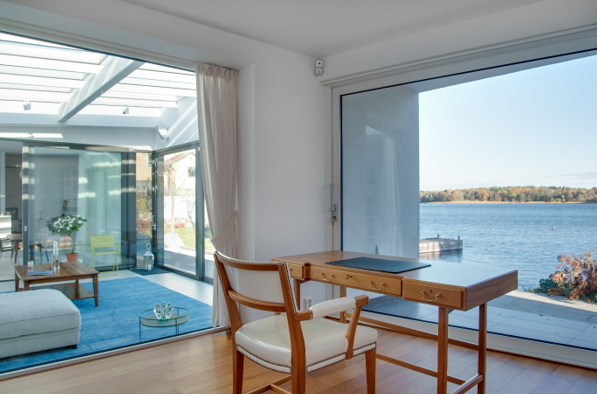


Noise is one of the biggest hidden deal-breakers in Singapore’s residential market. Buyers may love the layout and location, but if the home feels noisy traffic sounds, lift lobby noise, nearby facilities emotional comfort drops quickly. Noise sensitivity is psychological because it affects sleep, stress levels, and daily mood.
When buyers assess Narra Residences and River Modern, many are subconsciously evaluating quietness as part of “home quality,” even if they don’t say it directly.
Why Noise Feels Like Risk
Noise creates regret risk. Buyers worry:
- “Will I sleep properly?”
- “Will work-from-home be difficult?”
- “Will this home feel tiring over time?”
- “Will future buyers or tenants complain?”
Because noise is hard to fix after purchase, buyers treat it as a serious factor.
Stability-Oriented Quietness
Families and long-term owner-occupiers often prioritise calmness because home functions as a place of recovery from daily pressures rather than simply a place to sleep. After work, school, and social commitments, a quiet environment helps residents unwind, recharge, and maintain emotional balance. Persistent noise or disturbance can gradually affect wellbeing, making tranquillity an essential part of long-term satisfaction. This mindset aligns closely with Narra Residences, where residential comfort and a peaceful atmosphere are central to its appeal. For these buyers, quietness represents emotional security and stability, reinforcing the idea that the home remains a reliable sanctuary over time.
Convenience-Oriented Quietness
Professionals and investors also value quietness, but they often approach it from a market and demand perspective rather than purely personal comfort. Units that offer lower noise levels tend to appeal to a wider tenant pool, including working professionals and remote workers who prioritise focus and rest. Quiet living environments are easier to market, rent out faster, and typically experience higher tenant satisfaction, which can reduce turnover and vacancy risks. This mindset aligns well with River Modern, where tenant-friendly layouts and market relevance play an important role. For investors, quietness becomes a practical feature that supports rental performance, stability, and long-term asset desirability.
Conclusion
Noise affects more than ears it affects psychology. In Singapore’s dense urban environment, quietness is often a premium feature. Developments like Narra Residences and River Modern show how quiet value can influence buyer confidence for both owner-occupiers and investors.

